






How good should your English skills be?
News
Research articles published by students
Structuring complexity: A functional evaluation of Jira tools for requirements management
Rozenberga A.
Published in: Joint Proceedings of the BIR 2025 Workshops and Doctoral Consortium co-located with 24th International Conference on Perspectives in Business Informatics Research (BIR 2025), CEUR Workshop Proceedings, vol. 4034, pp. 131–142.
Addressing functionality gaps, data integrity, and system interoperability in enterprise systems
Gaigals M.
Published in: Joint Proceedings of the BIR 2025 Workshops and Doctoral Consortium co-located with 24th International Conference on Perspectives in Business Informatics Research (BIR 2025), CEUR Workshop Proceedings, vol. 4034, pp. 96–107.
Toward a knowledge management method for training customer support AI agents
Dzenuska E., Rudzajs P
Published in: Joint Proceedings of the BIR 2025 Workshops and Doctoral Consortium co-located with 24th International Conference on Perspectives in Business Informatics Research (BIR 2025), CEUR Workshop Proceedings, vol. 4034, pp. 70–83.
Interdependency-Aware Business Process Prioritization for Process Improvements
Lubane L., Kirikova M.
Published in: Guizzardi, R., Pufahl, L., Sturm, A., van der Aa, H. (eds) Enterprise, Business-Process and Information Systems Modeling. BPMDS EMMSAD 2025 2025. Lecture Notes in Business Information Processing, vol 558. Springer, Cham.
Suitability of Business Process Modeling Methods for Requirements Elicitation
Kraupša L.I., Kirikova M.
Published in: Perspectives in Business Informatics Research. BIR 2024. Lecture Notes in Business Information Processing, 2025, vol 529, pp 162–175
Automated data science project knowledge graph construction using a document retrieval augmented generation pipeline
Kumarasinghe A., Kirikova M.
Published in: SSRN, 2025
Requirements Template for Analytics Projects
Kumarasinghe A., Kirikova M.
Published in: Complex Systems Informatics and Modeling Quarterly, 2024, No. 39, pp.65-85.
Survey on Organizational Chat Conversation Analysis: Exploring Dialogue Summarization from a Knowledge Discovery Perspective
Kosilova K., Birzniece I.
Published in: Complex Systems Informatics and Modeling Quarterly, 2024, No. 39, pp.86-104.
Using Topological Functioning Model to Support Event-Driven Solutions
Deharam, S. T., Alksnis, G.
Published in: International Baltic Conference on Digital Business and Intelligent Systems 2022 Jun 27 (pp. 125-135). Cham: Springer International Publishing.
A Conceptual Model of Digital Immune System to Increase the Resilience of Technology Ecosystems
Krauze B., Grabis J.
Published in: International Conference on Research Challenges in Information Science (pp. 82-96). Cham: Springer Nature Switzerland.
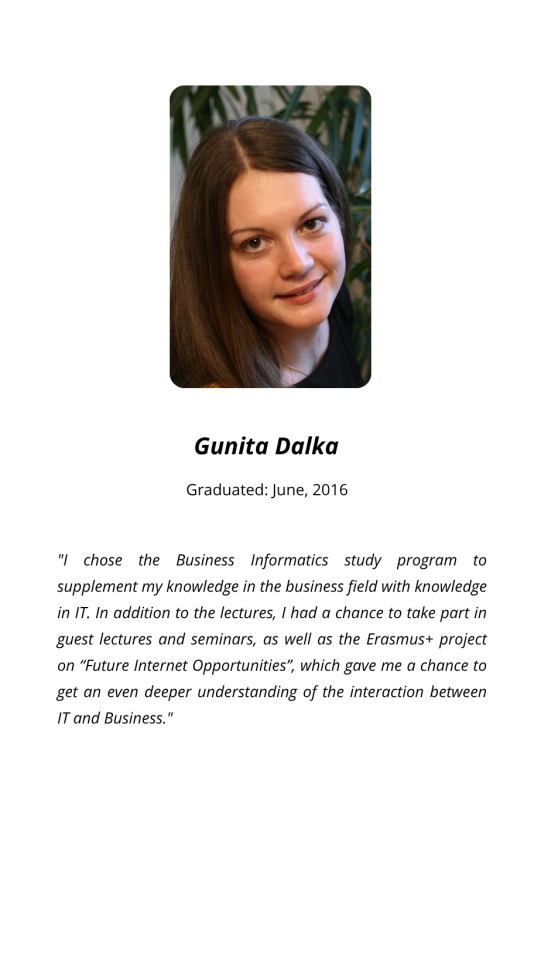
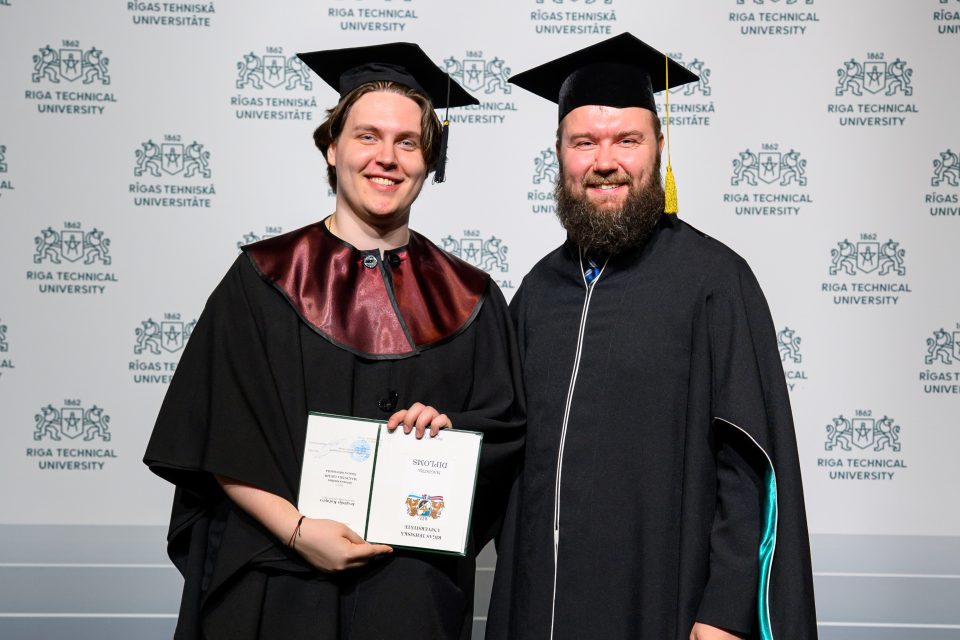
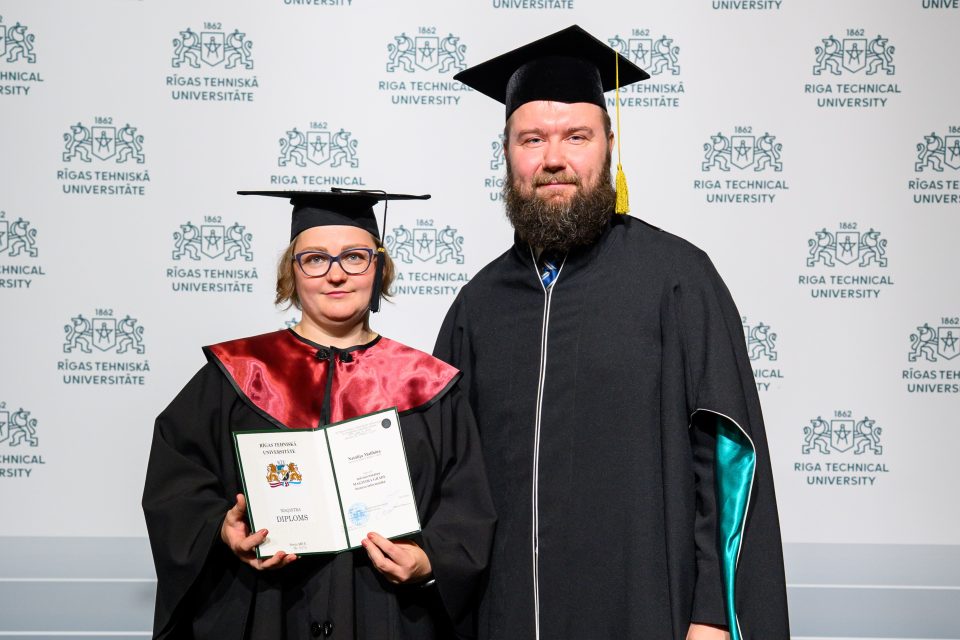
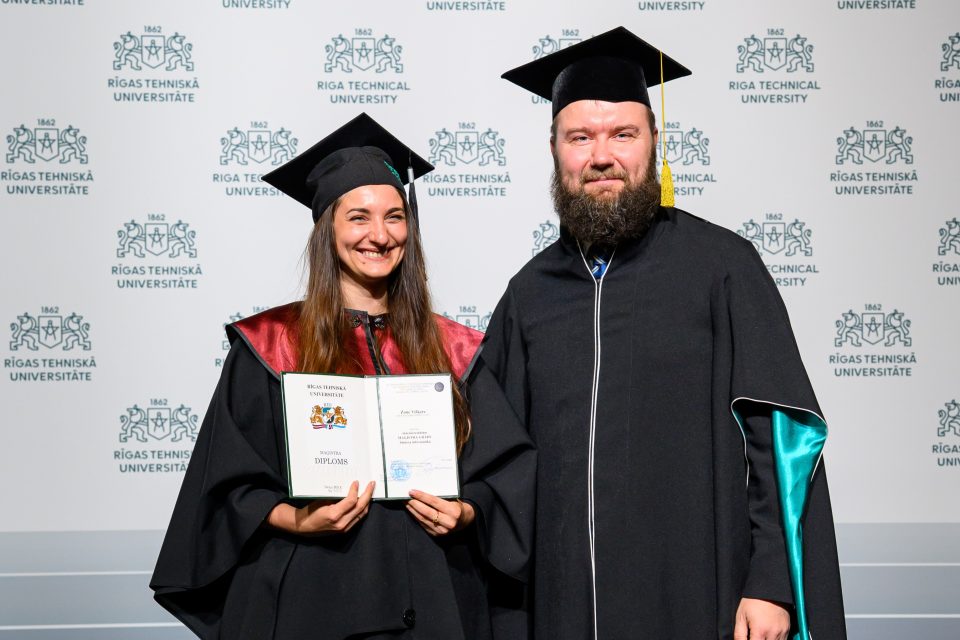
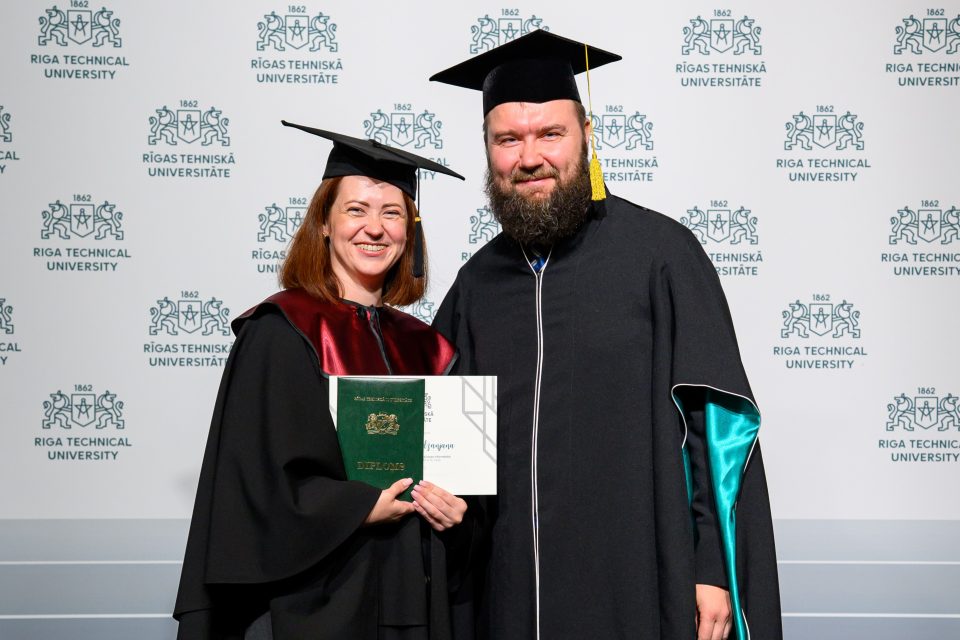
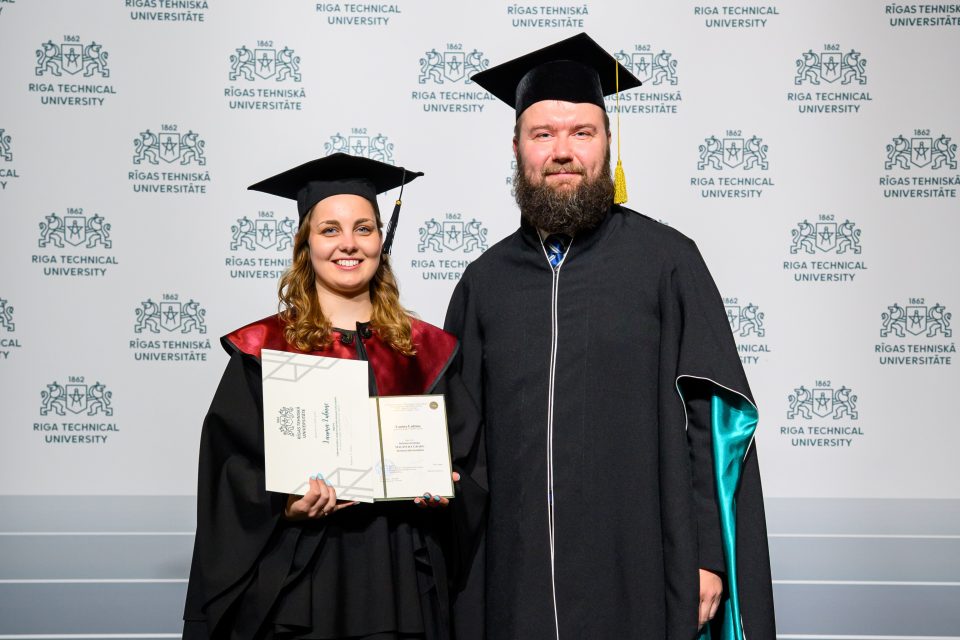
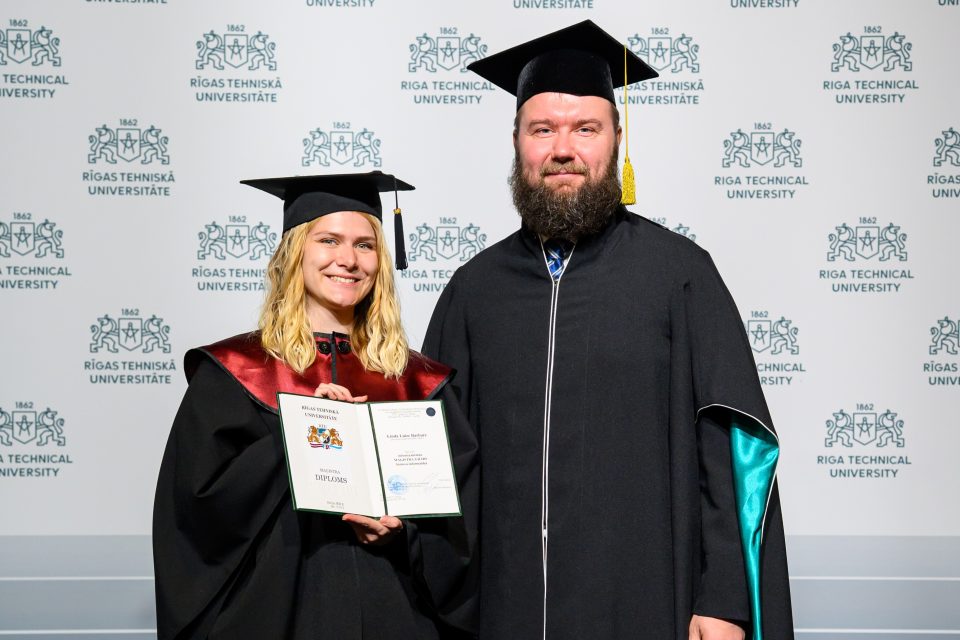
What graduates say about studies




Gallery





























Frequently asked questions
You should have at least B2 level of English knowledge
All lecturers are highly qualified, with experience in international cooperation and scientific projects, and are constantly improving their qualifications, which correspond to the courses they lead. Most of the instructors have experience in the industry with over 15 Ph.D. holders being involved in maintaining the courses within the study program. The program includes one academician of the Latvian Academy of Sciences, two LZA correspondents and six experts of the Latvian Science Council. Several lecturers also have experience of working in higher education institutions of other countries. The qualifications of the teaching staff involved in the implementation of the study program "Business Informatics" fully meet the conditions of the study program implementation and the requirements of regulatory acts.
Graduates of Business Informatics work for IT companies, public and private institutions using advanced ICT solutions, and consulting firms. They are qualified to fulfill the positions of Business Architect; Information Architect; Information Systems Architect; Information Engineer; Information Systems Engineer; Systems Analyst and Designer; Business Process Analyst, Engineer, and Manager; Business Analyst; Risk Manager; Requirements Engineer; Chief Information Officer; IS Manager; Business and IT Consultant, and the like.
The study sessions are held in the evenings and many courses are available online. Practical/laboratory assignments in several subjects can be chosen in such a way that they can also benefit the core work. The results of the student survey carried out in the middle of the first semester show that a number of students are already putting the knowledge they have acquired into practice.
Two key features are (1) the integration of knowledge at subject level and (2) the teaching team. These two are interlinked, as without the latter, the former would not be possible. Integration of knowledge at subject level means that several lecturers, who themselves have different competences, form a single subject in which they ensure that students are able to understand how business and ICT systems and their components interact. This distinguishes RTU Business Informatics from programmes with similar titles that simply teach business subjects and IT subjects separately. Most of the lecturers have significant international, management and industrial experience, as well as well-developed teamwork skills. As several of the lecturers have either studied, done research or worked as lecturers in good US universities, the US business style and expectations of the student are evident in their working style.
We use a variety of teaching methods in our subjects and a variety of methods of collaboration between lecturers, which we have developed through research and learning from our own and others' successes and failures. After the first year of Business Informatics, we can say that this programme was worth building, we are interested and happy to work in it, because we can see the professional development of the students and the wide possibilities for the development of this programme.
